In North Texas, your roof endures some of the harshest conditions: blazing sun, sudden hail, and even the occasional squirrel causing mischief. Roof surface cleaning isn’t just about improving the aesthetics; it’s about protecting your home and ensuring your investment continues to perform. If algae streaks, moss, or debris are beginning to show, addressing roof surface cleaning early can help prevent leaks, preserve your roof’s efficiency, and enhance your home’s curb appeal.
Whether you’re preparing for a solar installation or simply scheduling your seasonal roof checkup, we’re here to help you make informed decisions. As experts in the DFW roofing market, we’ve cleaned and maintained thousands of roofs throughout the area, and we know what works best in our climate. Below, we’ll explore the different types of roof growth, the best methods for cleaning, and when it’s time to call in a professional.
Why Roof Surface Cleaning is Crucial for Your Home
Roof surface cleaning is not just about making your roof look pristine; it’s essential to maintaining its longevity and protecting your home. When organic growth like algae, moss, or lichen takes hold, it traps moisture on the roof, which can lead to significant damage over time. In the humid climate of DFW, algae thrives and accelerates the granule loss on asphalt shingles, lifts roof edges, and shortens the lifespan of your roof.
A dirty roof also absorbs more heat, which can increase your energy bills as your home works harder to stay cool during the summer. On the other hand, a clean roof runs cooler and can help lower your energy consumption. Additionally, regular roof surface cleaning allows us to spot minor issues like loose flashing or popped nails before they lead to bigger, more costly problems. It’s also a quick way to boost curb appeal and show potential buyers that your home has been well maintained. Learn more about our roofing services.
Roof Types and What Grows on Them
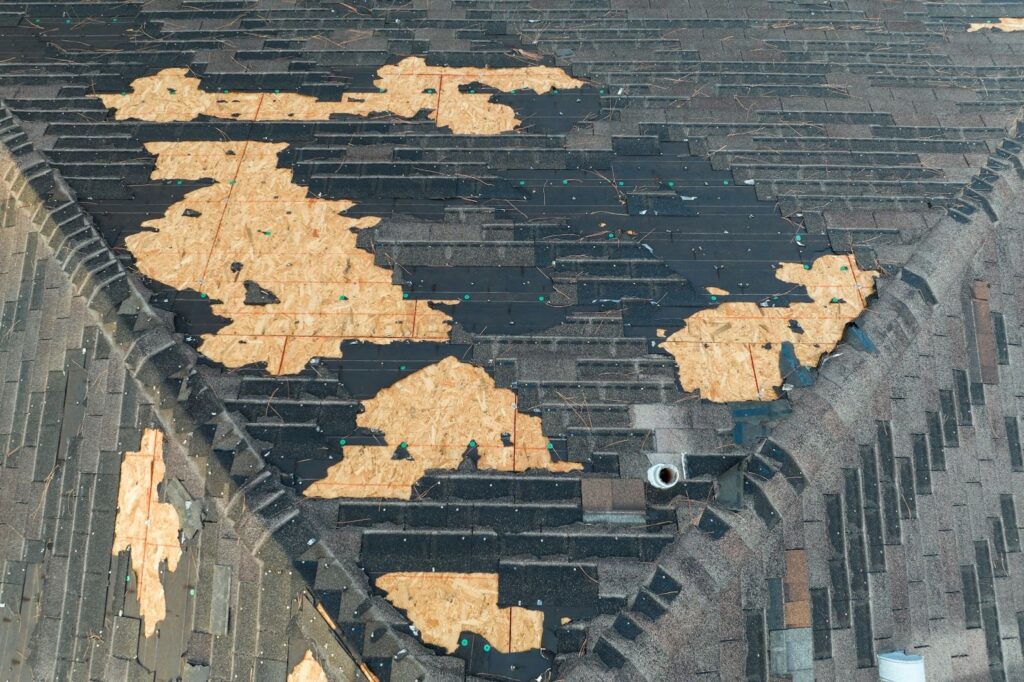
Different roofing materials attract different types of growth. Knowing what’s growing on your roof helps us determine the safest and most effective cleaning approach.
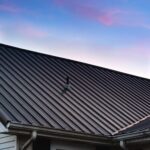
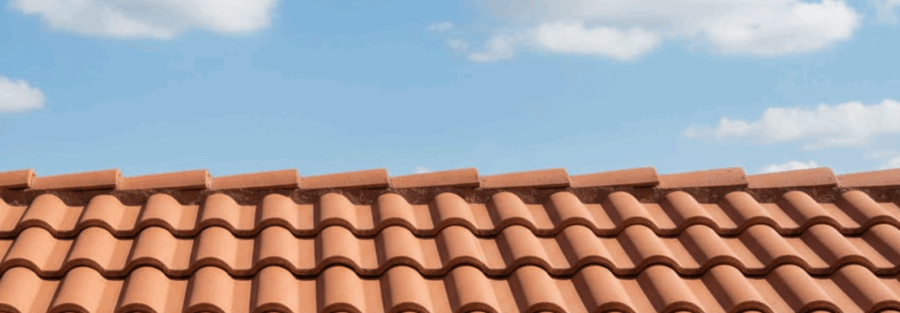
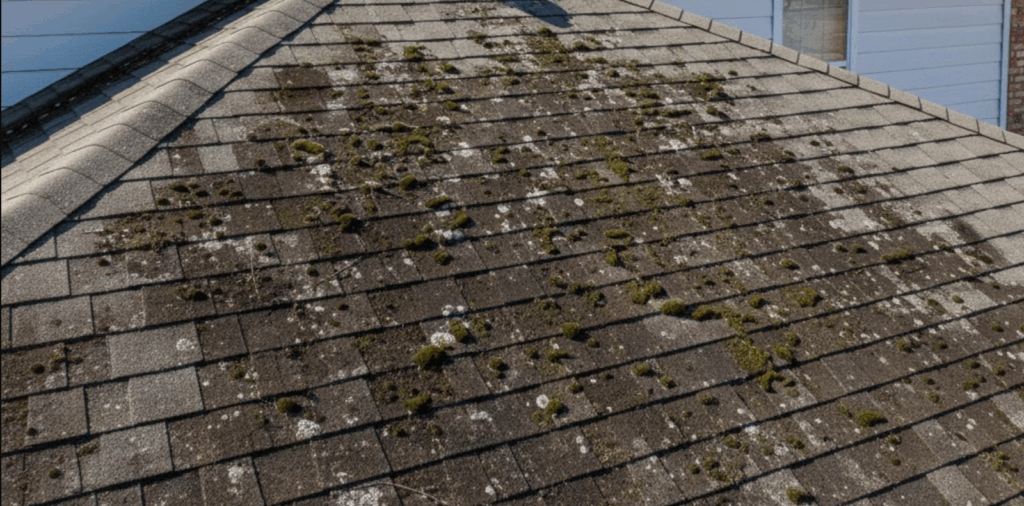
Asphalt shingles, which are the most common roof type in DFW, are particularly susceptible to black algae, moss, and lichen, especially in areas that are shaded and damp. Metal roofing, while less prone to growth, can still collect dust, pollen, and oak leaves, which can hold moisture and stain the surface. Concrete and clay tile roofs, with their textured surfaces, provide an ideal place for moss and algae to cling, particularly in older neighborhoods with large shade trees. Wood shake roofs, while beautiful, require special care, as algae and moss can accelerate rot when moisture lingers.
The combination of Texas’ humid conditions, shade from oak trees, and extended periods of sun create the perfect environment for algae and moss to thrive. That’s why regular cleaning, combined with prevention methods like removing debris and ensuring proper airflow, is key to maintaining your roof.
Safe and Effective Roof Surface Cleaning Methods
Soft washing is the gold standard for cleaning most residential roofs, and for good reason. This method uses low pressure and a manufacturer-approved cleaning solution that safely breaks down algae and moss without damaging shingles, tiles, or metal coatings. The solution contains a sodium-hypochlorite-based cleaner mixed with a surfactant to help it adhere to the roof. The mixture’s concentration and application time vary based on the type of roof and the level of growth, but we always take care to protect your landscaping and control runoff.
What we never do is use high-pressure washing on shingles. High-pressure washing can force water under the shingles, dislodge granules, and even void your roof’s warranty. We also avoid using abrasive scrubbing techniques, as these can cause damage that might not be immediately visible but will be noticeable after the next heavy rainstorm.
Safety, Preparation, and Step-by-Step Process
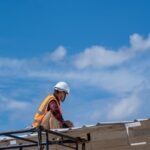
Roof cleaning might sound simple, but it requires precision and care. Safety is always a priority when working on steep or slick roofs, which is why we use the best equipment to ensure the job is done right. Before starting the cleaning, we inspect the roof for any loose shingles, failing seals, or weak spots like skylights and solar panels. We also clear away any loose debris by hand to avoid causing any further damage.
Once the cleaning solution is applied, we allow it to dwell, breaking down the algae and moss, before gently rinsing the roof with low pressure. For stubborn growth, we may need to let the roof sit for a few weather cycles before the algae fully releases. Afterward, we recheck all flashings, penetrations, and clear gutters to prevent future growth from taking hold.
DIY vs. Professional Roof Surface Cleaning: Costs and Timing
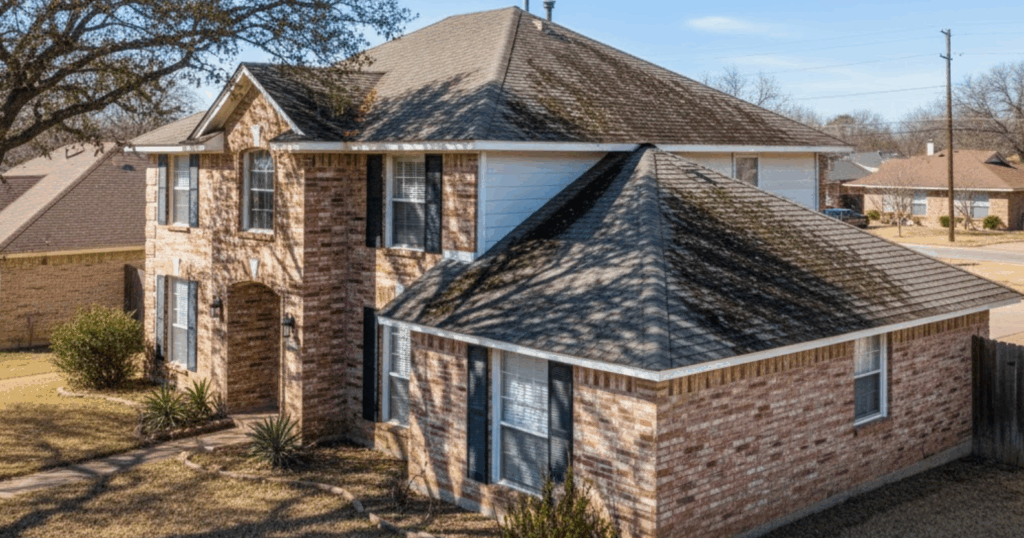
The cost of roof surface cleaning depends on several factors, including the size and type of roof, the extent of the growth, and the complexity of the job. DIY cleaning may seem like an affordable option, but the cost of materials, the risk of applying the solution incorrectly, and the time required can add up. More importantly, pressure washing mistakes or using the wrong cleaning solution can damage the roof and landscaping, which could be costly in the long run.
Professional roof cleaning costs can vary depending on these same factors. While the exact price depends on the roof’s size, material, and condition, the investment in a professional cleaning service ensures the job is done safely, efficiently, and in compliance with manufacturer guidelines. Moreover, professionals are trained to spot and address potential issues, saving you from the cost of future repairs.
Maintenance and Prevention
Roof cleaning shouldn’t be a one-time job. To help extend the results and reduce how often you need cleaning, it’s important to keep up with basic maintenance. Regularly remove debris from your roof, especially in the valleys and gutters, and trim back any overhanging tree limbs that may create shade and contribute to moisture buildup. Keeping gutters and downspouts clear ensures that water flows off your roof quickly during storms, preventing the build-up of algae-promoting moisture.
Additionally, consider zinc or copper strips along the ridge line of your roof. When it rains, these strips slowly release ions that inhibit algae growth, preventing regrowth after cleaning. Homes in DFW typically benefit from professional roof cleaning every 2–4 years, though some homes, especially those under dense trees or near construction sites, may require more frequent attention.
Conclusion
A clean roof not only looks better but also keeps your home protected and efficient. Roof surface cleaning is an essential part of roof maintenance, helping to prevent damage, improve energy efficiency, and prolong the life of your roof. When you choose the right cleaning method and professionals like Alpine Roofing and Solar, you can rest assured that your roof will stay in top shape, ready to protect you from the elements season after season.
Ready to get started? Contact us today to schedule your roof inspection and cleaning, and let us help you keep your roof performing at its best.
Roof Surface Cleaning FAQs
What is roof surface cleaning, and why does it matter in North Texas?
Roof surface cleaning removes algae, moss, lichen, and debris that trap moisture and degrade roof materials. In North Texas, algae can also reduce a roof’s reflectivity, increasing energy bills. Cleaning helps prevent leaks, preserve roof lifespan, and improve curb appeal.
How much does roof surface cleaning cost in Dallas–Fort Worth?
The cost of roof surface cleaning depends on several factors, including the size and type of roof, the extent of the growth, and the complexity of the job. Professional cleaning services are an investment in your roof’s longevity and safety.
Is pressure washing safe for shingles, or should I soft wash?
High-pressure washing can damage shingles by forcing water under laps, dislodging granules, and voiding warranties. Soft washing is the safer, gentler approach for cleaning most roofs.
How often should I schedule roof surface cleaning, and how can I prevent regrowth?
In DFW, roof surface cleaning is recommended every 2–4 years. To slow regrowth, regularly clear debris from gutters, trim overhanging limbs, and consider zinc or copper strips to inhibit algae growth.
Can you clean a roof with solar panels installed?
Yes, but care must be taken to avoid spraying cleaning chemicals on the solar panels. We clean around them safely and can also clean the panels using deionized water and soft brushes as per manufacturer guidance.
Does homeowners insurance cover roof cleaning?
Homeowners insurance generally does not cover roof cleaning, but storm damage uncovered during cleaning may be claim-eligible. Always document conditions and consult with your insurer for guidance.