Thinking about metal roof installation for your home or business in DFW? You’re not alone. Metal roofing has become one of the fastest-growing choices for both residential and commercial properties because of its longevity, energy efficiency, and modern aesthetic. Whether you’re scheduling a roof inspection or comparing options for your next roofing project, Alpine Roofing & Solar can help. We install, repair, and restore roofs across the Dallas–Fort Worth area, handling everything from consultation to final inspection with precision and care.
This guide explains what to expect from metal roof installation, how to choose materials, and how to plan your project, from budgeting to contractor selection. You’ll also learn how to prepare for future upgrades like solar integration and storm-resistant enhancements, so you can move forward with confidence.
Benefits of Metal Roofing
When installed correctly, a metal roof can deliver decades of reliable performance with minimal maintenance. Here’s why DFW homeowners and building owners increasingly prefer metal roofing:
Longevity: Many metal roof systems last 40–70 years when properly installed and maintained.
Weather resilience: Metal roofing offers superior protection against hail, wind, and fire—important for the unpredictable weather patterns common across North Texas. Class 4 impact-rated assemblies provide outstanding storm resistance.
Energy efficiency: Reflective finishes help reduce cooling costs during long Texas summers, improving indoor comfort year-round.
Low maintenance: Metal roofs require fewer repairs than asphalt shingles, even on steep or complex structures.
Sustainability: Most metal roofing materials are recyclable and pair easily with solar energy systems.
If you’re exploring materials and designs, visit our roofing services page to see how we tailor each project around performance, efficiency, and curb appeal.
Choosing the Right Metal Roof

Selecting the right system for your roof depends on factors like slope, environment, and architectural style. Each metal type and finish has its advantages.
Materials and Coatings
- Steel: The most common and cost-effective option, often galvanized or Galvalume steel with a PVDF (Kynar 500) finish for long-lasting color and corrosion resistance.
- Aluminum: Lightweight and corrosion-proof—ideal for properties near lakes or humid areas.
- Copper: A high-end choice known for its natural patina and timeless beauty.
- Zinc: Extremely durable and self-healing, with a higher upfront cost but exceptional life expectancy.
Pro tip: In hail-prone parts of DFW, thicker panels (lower gauge) and Class 4 impact ratings offer better long-term protection.
Panel Profiles
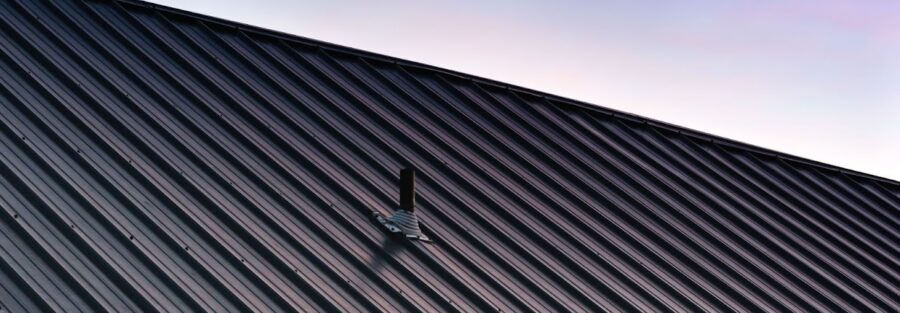
- Standing seam: Sleek vertical panels with concealed fasteners and clips that allow thermal movement, reducing leaks and maintenance.
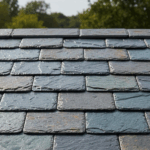
- Metal shingles or tiles: Deliver a traditional aesthetic with modern durability—great for HOA neighborhoods.
If you’re unsure which system fits your property, our team can walk you through samples, finishes, and profiles to find the best match.
Planning Your Project and Selecting a Contractor
Metal roofing projects benefit from strong planning, precise measurements, and experienced crews.
Roof Assessment, Slope, and Code Requirements
Every installation begins with a detailed roof inspection. We assess the slope, decking condition, and ventilation needs while confirming local building codes and HOA requirements. Most standing seam systems need a minimum slope of 3:12, though special underlayments can accommodate lower pitches.
If you already have rooftop equipment or panels, our technicians handle the detach and reset process so your system stays watertight and compliant with warranty standards.
Contractor Credentials
A qualified metal roofing contractor should provide proof of licensing, insurance, manufacturer certifications, and references. They should also share detailed scopes, product specifications, and warranty terms upfront.
As a GAF-certified company, Alpine Roofing & Solar meets these standards on every project, combining safety, transparency, and craftsmanship.
How Professional Metal Roof Installation Works
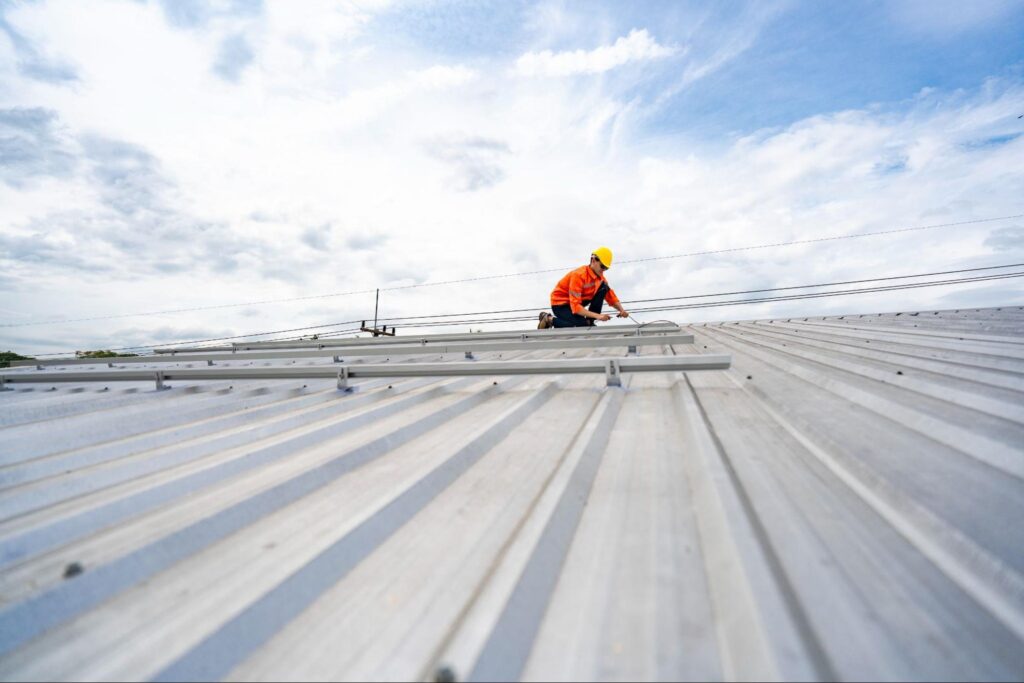
A successful metal roof installation follows a detailed process designed for long-term performance.
Underlayment and Ventilation
After removing old materials and prepping the deck, we install a high-performance synthetic underlayment and self-adhered membranes at valleys and eaves for added moisture protection. Proper intake and exhaust ventilation keep the attic balanced, reducing heat and moisture buildup.
Panel Layout and Fastening
Straight lines, precise clips, and fastener spacing are essential. Our crews account for thermal expansion so the panels can move slightly without stressing seams or flashing.
Flashing, Finishing, and Final Inspection
All flashing—around chimneys, skylights, or walls—is custom-fabricated to ensure a watertight seal. Ridge caps, eave trims, and sealants complete the system. We end with a detailed walkthrough to confirm alignment, fasteners, and cleanup before signing off.
Costs, Timelines, and Budgeting
The cost of a metal roof varies depending on material, design complexity, and labor. Here’s what typically drives the budget:
Material: Galvalume steel with PVDF coating offers the best balance of durability and affordability, while copper and zinc raise costs but extend longevity.
Complexity: Steep slopes, multiple valleys, and architectural details increase labor time.
Labor quality: Experienced installers are essential for proper alignment, fastening, and sealing.
Tear-off and disposal: Removing old materials or repairing decking adds cost but ensures long-term stability.
Most DFW homes can expect installation to take 2–5 days once materials are delivered. Permits and ordering usually add another week. Although metal systems cost more upfront than shingles, they offer significant savings over time through reduced repairs and improved energy efficiency.
Maintenance, Climate Upgrades, and Solar Readiness
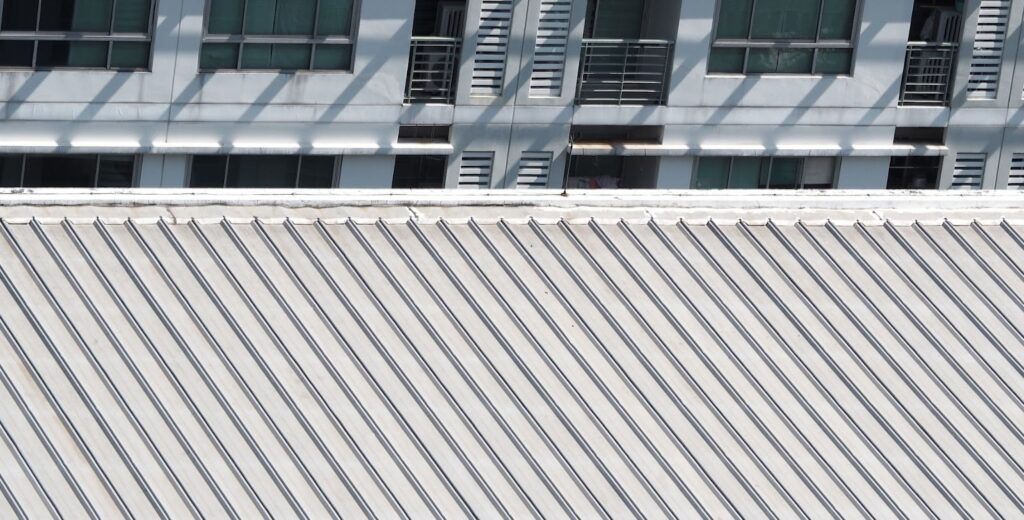
A well-installed metal roof requires minimal upkeep and can be easily upgraded for energy efficiency and storm protection.
Routine Maintenance
We recommend roof inspections twice a year—especially after major storms—to check fasteners, flashing, and sealants. Keep gutters clear and remove debris to maintain drainage. For more detailed evaluations, our team provides scheduled maintenance and roof restoration services to keep your system performing like new.
Reinforcements for DFW Weather
North Texas hail and high winds can test any roof. Upgrading to 24-gauge steel, Class 4 impact resistance, and reinforced fastening systems adds long-term value and peace of mind.
Solar Compatibility
Standing seam metal roofs are ideal for solar integration using clamp-on systems that don’t require penetrations. For other profiles, engineered mounts with watertight seals maintain warranty protection. Our solar experts coordinate installations and timing, so you never pay twice for roofing or panel adjustments.
Conclusion
If you want a roofing system that can withstand Texas storms, reduce cooling costs, and maintain its beauty for decades, metal roof installation is a smart investment. At Alpine Roofing & Solar, we help you choose the right material, manage permitting and HOA compliance, and deliver craftsmanship that lasts.
Alpine Roofing & Solar proudly serves homeowners and businesses throughout the Dallas–Fort Worth metroplex from our office at 7247 Kentish Dr, Fort Worth, TX 76137. To schedule a professional consultation or request a detailed estimate, contact us at +1 682-257-4631 or info@alpineroofingandsolar.com, or via our Contact Page.
FAQs About Metal Roof Installation in DFW Texas
How long does a metal roof last in Texas?
A professionally installed metal roof can last 40 to 70 years, depending on the material, finish, and maintenance. Steel and aluminum systems are the most common in DFW because they hold up well against hail, heat, and strong winds. Choosing a Class 4 impact-rated system and scheduling routine inspections ensures long-term durability. For full maintenance support, Alpine Roofing & Solar provides detailed roof restoration services to extend the life of your investment.
Is a metal roof noisy when it rains?
Modern metal roofing is much quieter than people expect. When installed with quality decking, insulation, and underlayment, sound levels are similar to or quieter than traditional shingles. The difference comes down to proper installation—fastener placement, air gaps, and material layers all reduce vibration. Our roofing specialists design each system to deliver both comfort and performance, so you can enjoy the rain without extra noise.
Does metal roofing increase home value?
Yes. Metal roofing can boost your home’s resale value by offering buyers energy efficiency, low maintenance, and superior longevity. It also enhances curb appeal with a modern look that lasts for decades. Many DFW homeowners recover a large portion of their investment through reduced repair costs and improved energy savings. To explore design options that fit your property and goals, our roofing experts can create a tailored plan that adds measurable value to your home.
Can I install solar panels on a metal roof?
Absolutely. Metal roofing is one of the best foundations for solar energy systems. Standing seam panels, in particular, allow solar mounts to attach with clamps—no roof penetrations required. This makes installation cleaner and easier to maintain. Our team specializes in coordinating solar system installations during or after your roofing project to ensure full compatibility and warranty coverage. If you’re upgrading or replacing your roof, we also handle detach and reset services for existing panels.
How do I maintain my metal roof?
Metal roofs require minimal upkeep compared to shingles. A basic seasonal inspection—checking flashing, gutters, and fasteners—helps prevent small issues from becoming major repairs. After strong storms, it’s wise to schedule a professional inspection to confirm everything remains sealed and aligned. Alpine Roofing & Solar offers comprehensive roof maintenance and restoration services to keep your system performing like new. With proper care, your metal roof will protect your DFW home for decades.