If a recent storm, leak, or an upcoming policy renewal has you wondering what’s next, a roof inspection for insurance is the best place to start. In DFW Texas, hail and high winds are tough on roofs, and insurers expect clear documentation before they approve a claim. That’s where we come in. Whether you’re planning for an inspection or already filed a claim, we help you understand the process, document damage the right way, and coordinate a smooth repair or replacement.
We’re Alpine Roofing & Solar, local, GAF Certified, and fully staffed with insurance-savvy pros, including Public Adjusters, Xactimate estimators, and claim specialists. We manage every job site to high standards, provide emergency dry-in when needed, and back our work with strong warranties. If you’re in the Dallas–Fort Worth area, we’ll meet you where you are, from first photos to final shingles, so you can move forward with confidence.
When And Why To Get A Roof Inspection
After Severe Weather And Visible Issues
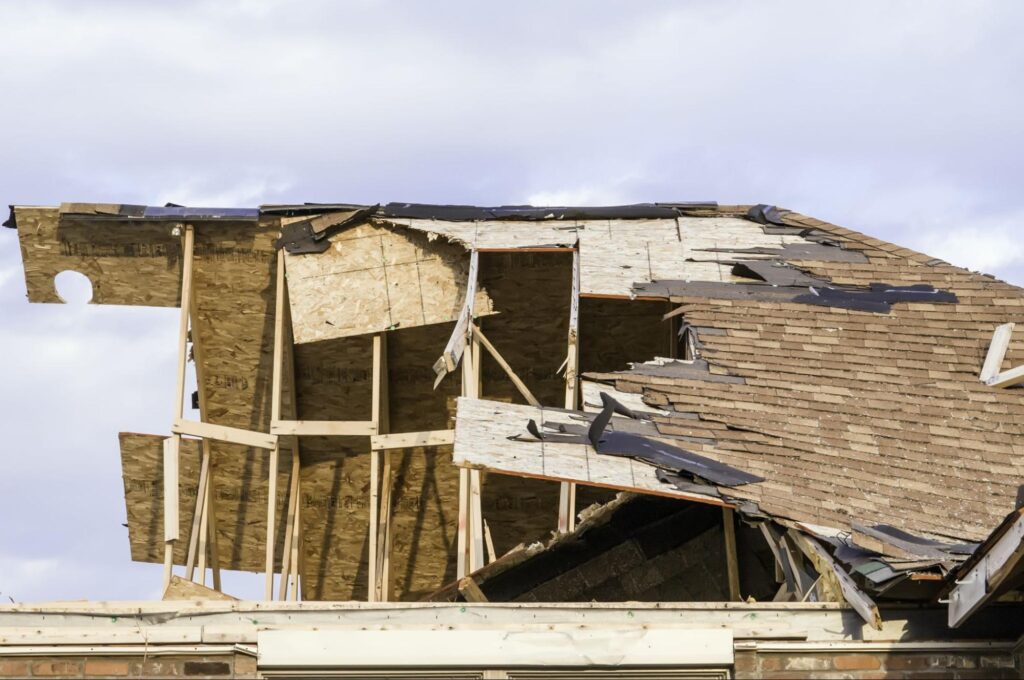
In North Texas, hail, straight-line winds, and flying debris can bruise shingles, crease tabs, and loosen flashing, often without a dramatic leak right away. A timely roof inspection for insurance can catch problems early and document storm-related damage before it spreads.
Watch for:
- Missing or curled shingles, dented vents, and damaged flashing.
- Granules piling in gutters or at downspouts.
- Water spots on ceilings, attic moisture, or a musty smell after rain.
Even if the roof “looks fine” from the ground, subtle hail bruising or seal failures can reduce the roof’s life and jeopardize coverage later. Quick documentation protects your claim timeline and your home.
Policy Renewal, Real Estate, Or Roof Age
Carriers sometimes require updated inspections at renewal, especially on roofs 10–15+ years old. If you’re selling or buying, a roof inspection for insurance doubles as a due-diligence check to avoid surprises at closing. And for older roofs, an inspection helps you plan maintenance, verify remaining life, and record condition in case a future storm triggers a claim.
What Insurers And Inspectors Look For

Damage Types And Severity Criteria
Insurers distinguish between wear-and-tear and sudden, accidental loss from a covered peril (hail, wind, impact). During a roof inspection for insurance, we document:
- Hail: granule loss exposing mat, soft spots (bruising), cracked shingles, dented soft metals.
- Wind: lifted or creased shingles, missing tabs, displaced ridge caps, loosened flashing.
- Impact: punctures from branches, torn underlayment, broken vents.
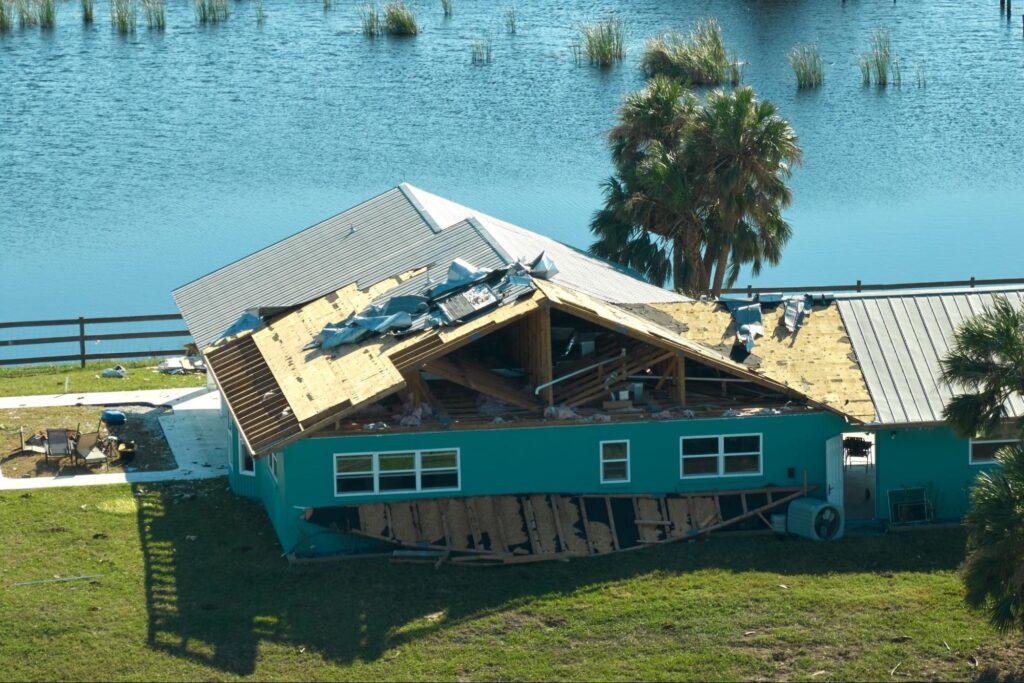
- Secondary damage: water intrusion, saturated insulation, damaged decking.
We measure slopes, count affected shingles, photo-mark test squares, and build an objective, scope that aligns with carrier standards.
Interior Evidence And Maintenance History
Interior signs strengthen a claim: ceiling stains, peeling paint, rusted HVAC boots, or daylight at roof penetrations. We also note past maintenance, prior repairs, and ventilation issues. Good records show you’ve cared for the roof, important when the carrier evaluates cause, scope, and replacement versus repair.
How To Prepare For An Insurance-Focused Roof Inspection
Documents, Photos, And Past Repairs
A smoother roof inspection for insurance starts with organized proof:
- Policy declarations page and deductible amount.
- Any prior roof reports or invoices (repairs, maintenance, warranty paperwork).
- Date-stamped photos: before/after the storm, interior stains, exterior damage.
- HOA rules or municipal code notes that could affect materials or color.
If you’ve already filed a claim, have the claim number and adjuster info handy. We’ll align our inspection with carrier expectations and build a clear scope.
Safe Access And Temporary Mitigation
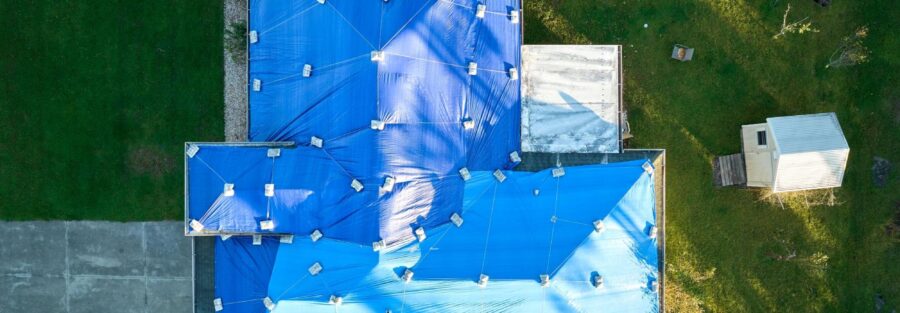
Please ensure safe access: unlock gates, secure pets, clear the driveway, and note any hazards. If the roof is actively leaking, temporary mitigation (tarps, emergency dry-in, water extraction) is essential. It protects your home and shows the carrier you took reasonable steps to prevent further damage, something most policies require.
The Inspection And Claim Process, Step By Step
Independent Inspector Vs. Insurance Adjuster
An independent contractor inspection documents what’s damaged and why: an insurance adjuster determines coverage under your policy. Both matter. We often attend the adjuster meeting to compare findings slope-by-slope. Having a seasoned team keeps your roof inspection for insurance aligned with the carrier’s process.
Typical order of events:
- Document damage, stabilize leaks.
- File claim: get claim number.
- Adjuster inspects: we meet them if requested.
- Carrier issues an initial estimate.
Documentation, Estimates, And Scope Of Work
We build detailed photo logs, test squares, measurements, and an estimate reflecting current DFW pricing. If the adjuster’s scope misses code-required items, underlayment type, or matching materials, we submit supplements with documentation. That’s where our insurance team shines, bridging your needs with policy language and local code.
Selecting A Qualified Roofing Contractor
Choose local, insured, and credentialed. Look for:
- Manufacturer credentials, proof of insurance, and permits pulled in your city.
- Xactimate proficiency and experience working with Texas carriers.
- Clear communication, daily site management, and strong warranties.
- Capability for related work (gutters, ventilation, skylights, solar detach/reset if applicable).
Avoiding Common Mistakes
Delaying Or Completing Full Repairs Too Soon
Waiting months can compound damage and complicate coverage windows. On the flip side, completing permanent repairs before the adjuster documents damage can limit reimbursement. Best practice: mitigate immediately, then proceed after inspection and approval.
Insufficient Evidence Or Poor Communication
Claims stall when photos are blurry, dates are unclear, or communication stops. Keep a simple log of weather dates, calls, emails, and on-site visits. During your roof inspection for insurance, we’ll structure photos and notes the way adjusters prefer.
Hiring Unqualified Contractors
Out-of-town storm chasers often lack permits, cut corners, or disappear before warranty work. Vet license, insurance, references, and local presence. We manage job sites daily in DFW and stand behind our work.
Cost, Coverage, And Code Considerations
Deductibles, ACV Vs. RCV, And Depreciation
Most Texas policies are either ACV (Actual Cash Value) or RCV (Replacement Cost Value).
- ACV: Pays depreciated value minus your deductible. You bear more of the replacement cost on older roofs.
- RCV: Initially pays ACV, then releases recoverable depreciation after proof of completed work, minus your deductible.
We align your roof inspection for insurance with your policy type so the estimate and sequence of invoices match carrier requirements, helping you recover all eligible funds.
Code Upgrades, Matching Materials, And Permits
Many cities in DFW require specific underlayment, ventilation, drip edge, and nailing patterns. If “Ordinance or Law” coverage is included, code-driven upgrades may be covered. Matching shingles and metals across slopes matters too: carriers typically consider uniform appearance and availability. We pull permits, meet code, and document upgrades so your file is clean and compliant.
If a storm left you with both roof and interior damage, our turnkey restoration services can coordinate water mitigation and rebuild alongside the roof work.
Conclusion
A well-documented roof inspection for insurance protects your home, your wallet, and your peace of mind, especially in storm-prone DFW Texas. From the first tarp to the final manufacturer inspection, we manage the details, communicate with carriers, and deliver quality craftsmanship that lasts.
Alpine Roofing & Solar is your trusted roofing company in DFW Texas. We’re located at 7247 Kentish Dr, Fort Worth, TX 76137. For inquiries, call us at +1 682-257-4631 or email info@alpineroofingandsolar.com. For scheduling and questions, please contact us.
FAQs About Roof Inspection for Insurance
How often should I schedule a roof inspection for insurance purposes?
In DFW Texas, it’s smart to schedule a roof inspection at least once a year and after any major hail or windstorm. Annual inspections help you catch minor issues early and maintain up-to-date documentation in case you need to file a future insurance claim.
What’s the difference between a standard roof inspection and a roof inspection for insurance?
A standard inspection focuses on overall roof condition and maintenance needs. A roof inspection for insurance, however, specifically documents storm-related or accidental damage with photos, test squares, and detailed measurements. This report supports your insurance claim and ensures your carrier has accurate, verifiable evidence.
Do I have to use the roofing contractor my insurance company recommends?
No. You have the right to choose your own roofing contractor. Many homeowners in DFW prefer working with local, certified professionals like Alpine Roofing & Solar who understand Texas codes, carrier documentation, and best practices for insurance-driven repairs.
Will my insurance cover the full roof replacement cost?
That depends on your policy type. If you have a Replacement Cost Value (RCV) policy, your insurer typically pays for the full cost of replacement (minus your deductible). If your policy is Actual Cash Value (ACV), it covers the depreciated amount of your roof. During your roof inspection for insurance, we help you identify which applies and guide you through recoverable depreciation claims.
What if I need additional work, like gutter repair or solar panel removal?
If your roof inspection reveals related damage, our team can handle it all. We coordinate roofing services, detach and reset projects, and even full restoration work as part of your claim. This integrated approach keeps your project on schedule and ensures everything meets insurance and code standards.