

In North Texas, a five-minute downpour can feel like a monsoon. Regular gutter and drainage checks are vital to keeping your home protected. When water is managed properly, your roof, siding, and foundation stay dry, your landscaping remains intact, and your interior stays mold-free. When water isn’t managed correctly, small issues can quickly turn into costly repairs. Whether you’re planning a seasonal inspection or you’ve noticed overflow after a storm, we’re here to help you spot problems early and fix them right.
As DFW roofing experts, we’ve seen how neglected gutters can lead to leaks, fascia rot, and foundation shifts. These problems often arise because water isn’t moving through the gutter system as it should. This guide will help you understand what to look for, how to clean safely, and when to call us for professional support. If you’d like a hand, our comprehensive roofing services and storm-readiness expertise are just a click away.
Why Gutters and Drainage Matter
Gutters are crucial in moving water off your roof and away from your foundation. They are designed to prevent pooling, seepage, or erosion. Downspouts, grading, and drains work together to direct water away from the house. If your gutter system is neglected, even a light rain can lead to serious issues. Water can back up under shingles, soak fascia boards, and even undermine slab foundations—issues that are all too common in DFW.
When your gutter system is functioning properly, you can avoid water damage to your roof, siding, and interior. The system also helps reduce the risk of mold growth and basement moisture. Regular maintenance and checks ensure your home stays safe from these costly and damaging problems. Taking the time to care for your gutters also helps extend the life of your roof, siding, and other structural elements of your home.
The Water Path: From Roof to Soil
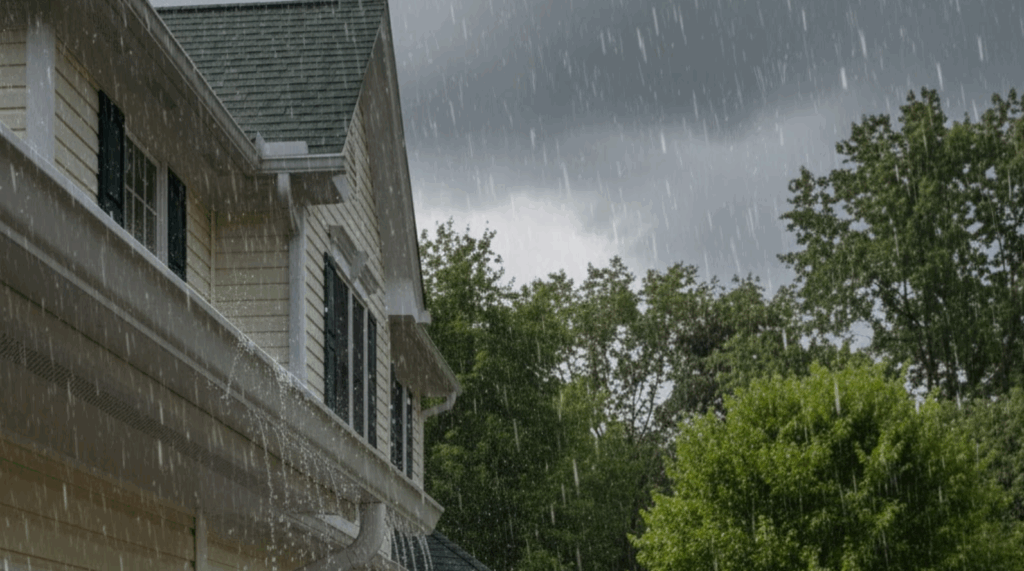
The journey of water begins on your roof. Water sheds from shingles into the gutters, then travels through the downspouts and out to the ground. Ideally, water flows freely to properly graded soil or a drain line, ensuring that it moves away from your foundation. However, small issues like a clogged gutter, a crushed downspout, or improper grading can break this flow, causing water to pool or back up under shingles. When this happens, damage can occur quickly.
Our goal is to make sure that the entire path is clear, sloped correctly, and flowing as it should. This ensures that rainwater doesn’t cause hidden damage that could lead to bigger problems. If you’re unsure about the status of your system, we offer roofing inspections that cover your gutters and drainage systems to help you keep things in good working order.
What to Look For: Early Warning Signs
When it comes to gutters and drainage, it’s important to spot issues early. Regular checks can prevent small problems from turning into bigger, more costly ones. Keep an eye out for visible signs that indicate something isn’t working correctly.
For the exterior of your home, look for sagging, detached, or rusted gutters. Overflow streaks on your siding or fascia are also signs that water isn’t flowing properly. After a rain, check the gutters for standing water—this often indicates a blockage. Similarly, downspouts that are loose, blocked, or too short can prevent proper drainage, and pooling near the foundation can suggest an issue with grading or the downspouts.
On the interior, water stains on ceilings or walls near exterior walls are major red flags. A musty odor or visible mold can indicate that moisture is getting inside, and peeling or bubbling paint is another sign of water infiltration. Soft spots near the eaves or dampness in your attic or insulation are also strong indicators that your drainage system needs attention.
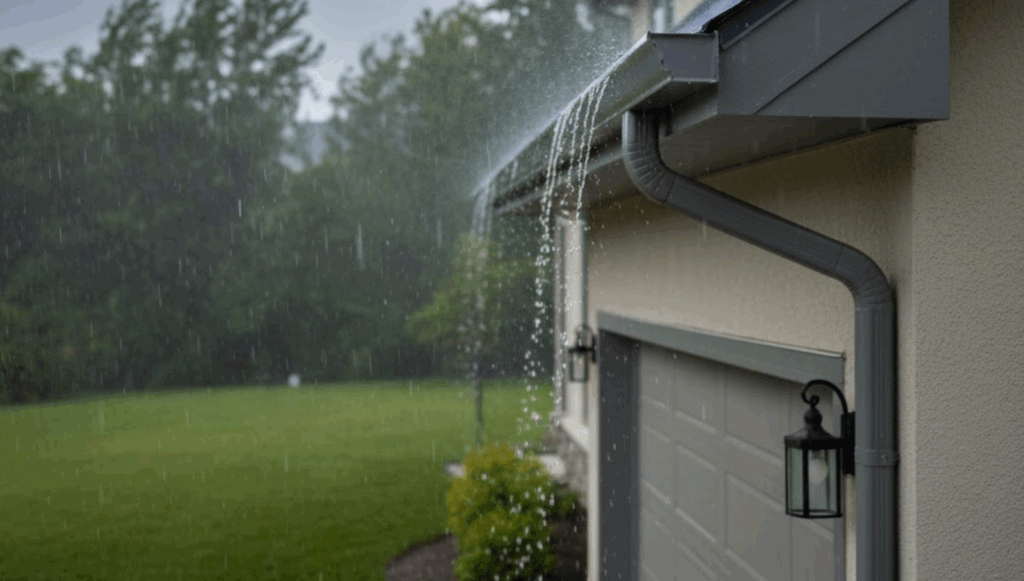
Downspouts, Grading, and Drainage Checks
The downspouts and surrounding drainage systems are equally important in managing water flow. Proper downspout extensions help ensure water is directed away from the foundation, while correct grading around the home prevents water from pooling near the slab.
In DFW, many homes struggle with water drainage due to clay soils that retain moisture. To help combat this, downspouts should extend at least 3–6 feet from the foundation. Longer extensions are recommended for flat lots. A simple splash block or river rock can slow erosion and prevent water from washing away soil. If you continue to experience water pooling, a French drain or catch basin can be added to redirect water more efficiently.
If your system isn’t flowing correctly, or if you notice that water is still lingering near your foundation, consider having a professional evaluate your grading or drainage setup. Our team can recommend and install solutions to help safeguard your home.
Seasonal Considerations and Storm Readiness
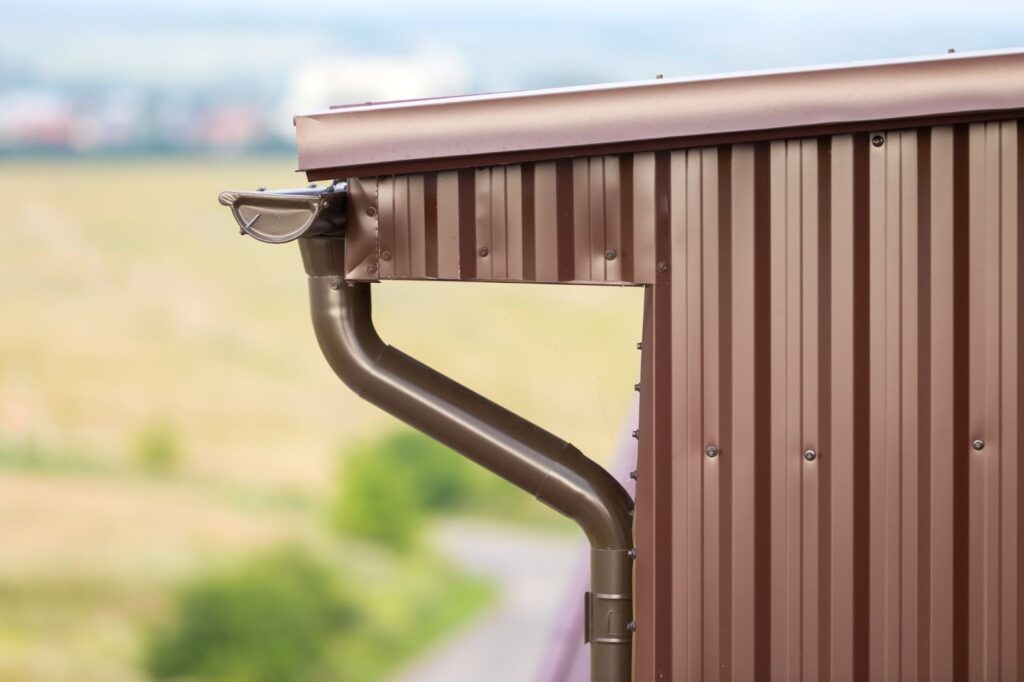
In DFW, your gutters and drainage system face unique challenges due to the area’s leaf drop, wind-driven rain, and extreme temperature fluctuations. It’s important to adjust your maintenance schedule to account for the seasons.
In the fall, clear leaves and pine needles to prevent clogs and overflow. Before the cold snaps, verify the slope of your gutters and tighten any loose hangers. After freezes, check for ice dams at the eaves and clear safe pathways for meltwater to flow.
During the spring and summer, look for damage caused by heavy rains or storms. After a downpour, check for overshooting water, bowed gutters, or pooling near the slab. If you’ve experienced hail or high winds, inspect for dents, loose end caps, or dislodged downspouts. For storm damage, our restoration services can help you recover and strengthen your system for future storms.
When to Call a Pro
While there are some fixes you can handle yourself—like clearing debris, resealing minor leaks, or tightening hangers—many issues require the expertise of a professional. If you’ve cleaned your gutters and you still notice overflow, it could mean your system is undersized or that the downspouts are improperly placed. Sagging sections, fascia rot, or gutters pulling away from the roof are also signs it’s time for a professional.
Our team has the tools and expertise to handle more complex issues, from regrading your yard to installing a French drain system. We can also inspect your roof and drainage system as part of a comprehensive service. When you’re ready to schedule a professional inspection or receive a custom solution for your home, we’re here to help.
Conclusion
In North Texas, gutter and drainage maintenance is one of the easiest ways to prevent costly damage to your home. With regular checks and maintenance, you can keep your roof, siding, and foundation in top condition, protecting your investment and ensuring peace of mind.
At Alpine Roofing & Solar, we offer expert roofing services throughout DFW. We’re located at 7247 Kentish Dr, Fort Worth, TX 76137. For inquiries, call us at +1 682-257-4631 or email info@alpineroofingandsolar.com.
Prefer to talk it through? For more details on our expert roofing services in DFW Texas, don’t hesitate to contact us. We look forward to serving you.
Frequently Asked Questions: Gutter and Drainage Checks
What are gutter and drainage checks, and why do they matter in North Texas?
Gutter and drainage checks ensure that water moves from your roof to gutters, downspouts, and safely away from your slab. In North Texas, downpours are common, and this check prevents leaks, fascia rot, soil erosion, and foundation shifts.
How do I safely clean gutters and test flow during gutter and drainage checks?
Use a sturdy ladder with a stabilizer, gloves, safety glasses, and non-slip shoes. Scoop debris, then flush gutters from the high end toward each downspout. Check for blockages and ensure water exits freely.
How far should downspouts extend and how should the yard be graded for proper drainage?
Downspouts should extend 3–6 feet from the foundation and remain clear of blockages. Grading should slope away from the house by 6 inches over the first 10 feet.
Do I need 5-inch or 6-inch gutters for heavy DFW rain?
For larger roof areas, 6-inch gutters are ideal as they can handle more flow and reduce overflow.
Will homeowners insurance cover gutter or drainage damage after a storm?
Storm damage from wind, hail, or falling objects may be covered by insurance, but clogs or neglect typically aren’t. Be sure to document the damage with photos and file promptly.